Impact
Every Move Counts
There's no such thing as a small impact when you're changing how children learn. Because every class we teach, every partnership we build, and every child we reach adds up to something extraordinary.
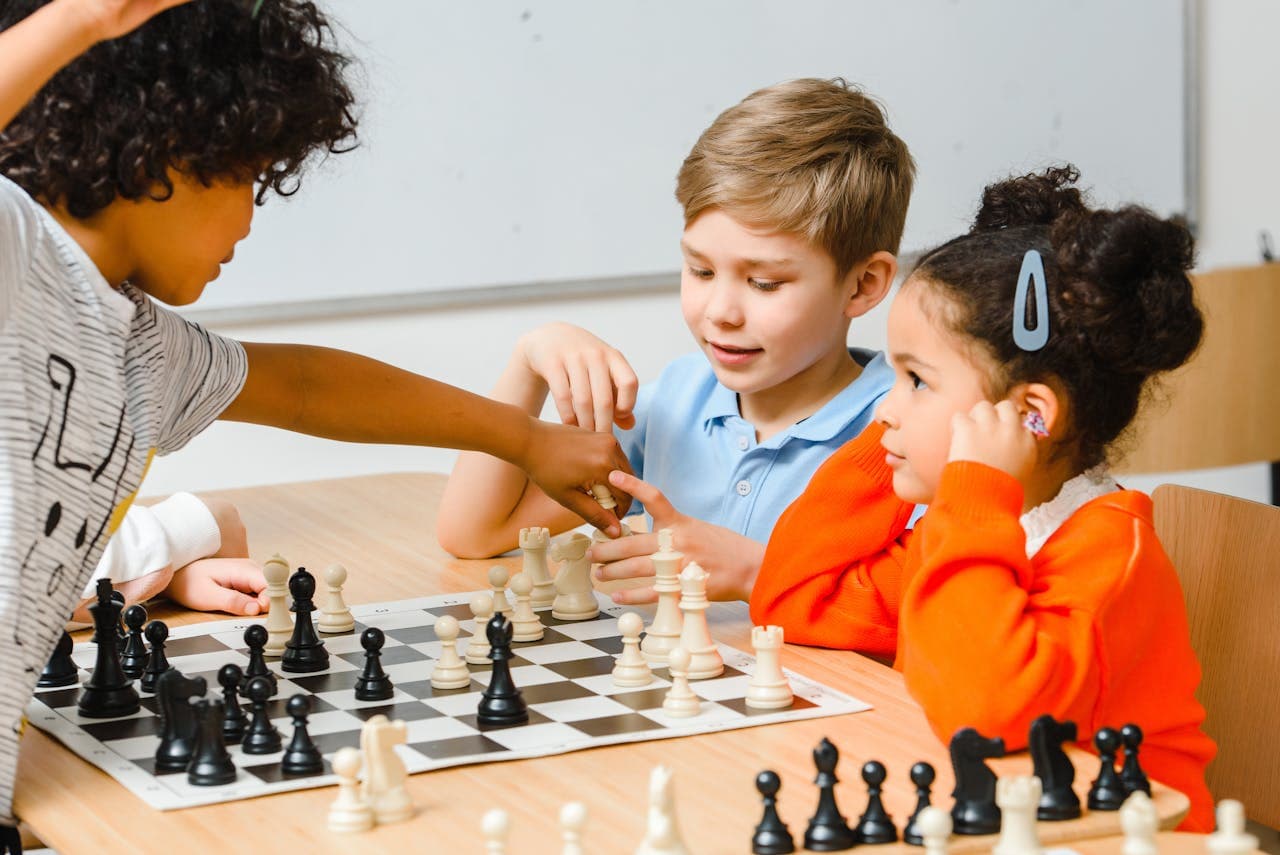
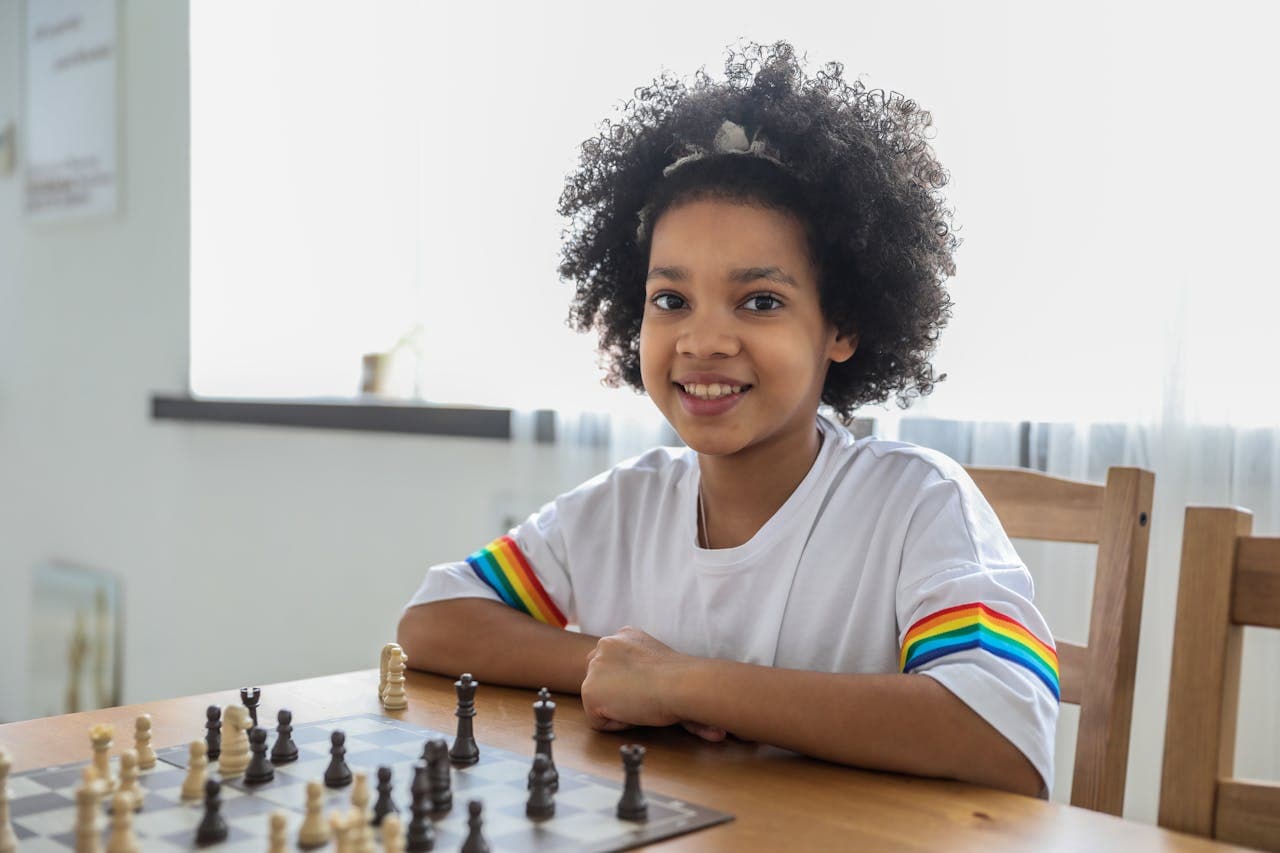

Stories add up
3600+
student hours of chess learning250+
children reached6
partner organizations
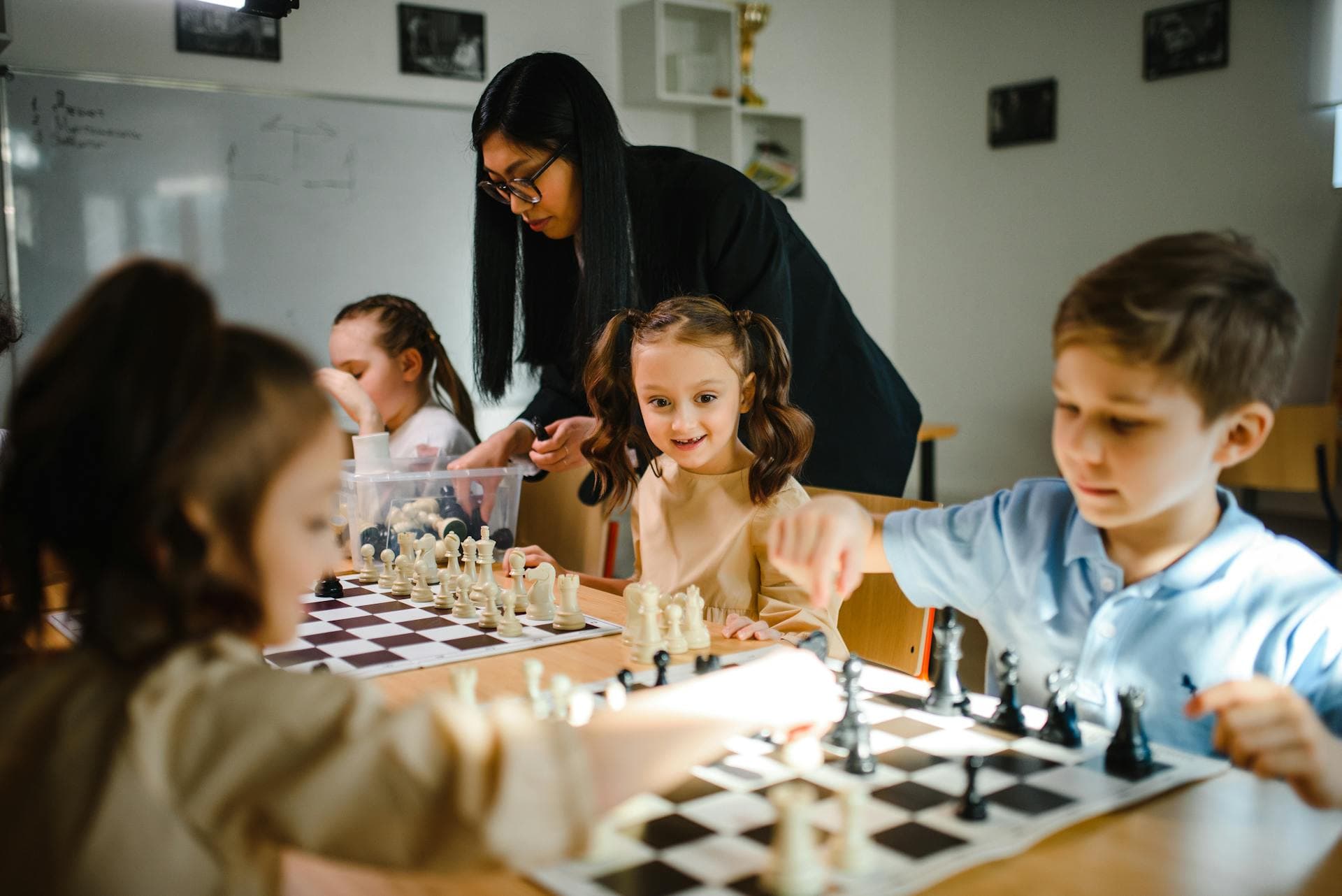
The ripple effect
Chess isn’t just a game—it’s a tool for building critical life skills. Chess has been proven to improve problem solving, academic outcomes, self-control and critical thinking
Critical Thinking
Every move in chess requires planning and problem-solving. When a pawn becomes a character on a quest, children naturally start thinking multiple steps ahead. They learn to anticipate consequences, evaluate options, and make strategic decisions—skills that transfer directly to academic challenges and everyday situations.
Focus and Concentration
Chess demands sustained attention, which can be challenging for young learners. But when each piece has a personality and every game tells a story, focus becomes natural. Our students practice concentration in a context that feels engaging rather than demanding, building attention skills that support learning across all subjects.
Confidence and Resilience
In chess, mistakes aren’t failures—they’re learning opportunities. Every child loses games. Every child makes moves they wish they could take back. But through our narrative approach, children learn to see setbacks as plot twists in their learning story. They build confidence by trying new strategies, seeing improvement over time, and discovering that persistence pays off.
Creativity and Imagination
Traditional chess instruction focuses on memorizing openings and studying positions. We do something different. By framing chess as storytelling, we tap into children’s natural creativity and imagination. This imaginative framework makes the game accessible, memorable, and exciting for even our youngest learners.
These skills don’t stay on the chessboard. They support academic success, social-emotional growth, and lifelong learning. When children discover they can master something as complex as chess through stories and play, they carry that confidence into every challenge they face.
Access is everything
Once Upon a Chessboard specifically serves children ages 3-10 in under-resourced communities—students who might not otherwise have access to enrichment programming like chess education.
We partner with schools, community centers, and afterschool programs across New York, focusing on organizations that:
Serve diverse communities with limited enrichment budgets
Value creative, play-based learning approaches
Prioritize educational equity and opportunity
Want to offer high-quality programming without financial burden
By removing cost barriers and providing turnkey implementation, we ensure that a child’s zip code or family income doesn’t determine whether they get to learn chess. Every child deserves the chance to discover they’re capable of strategic thinking, creative problem-solving, and tackling complex challenges.
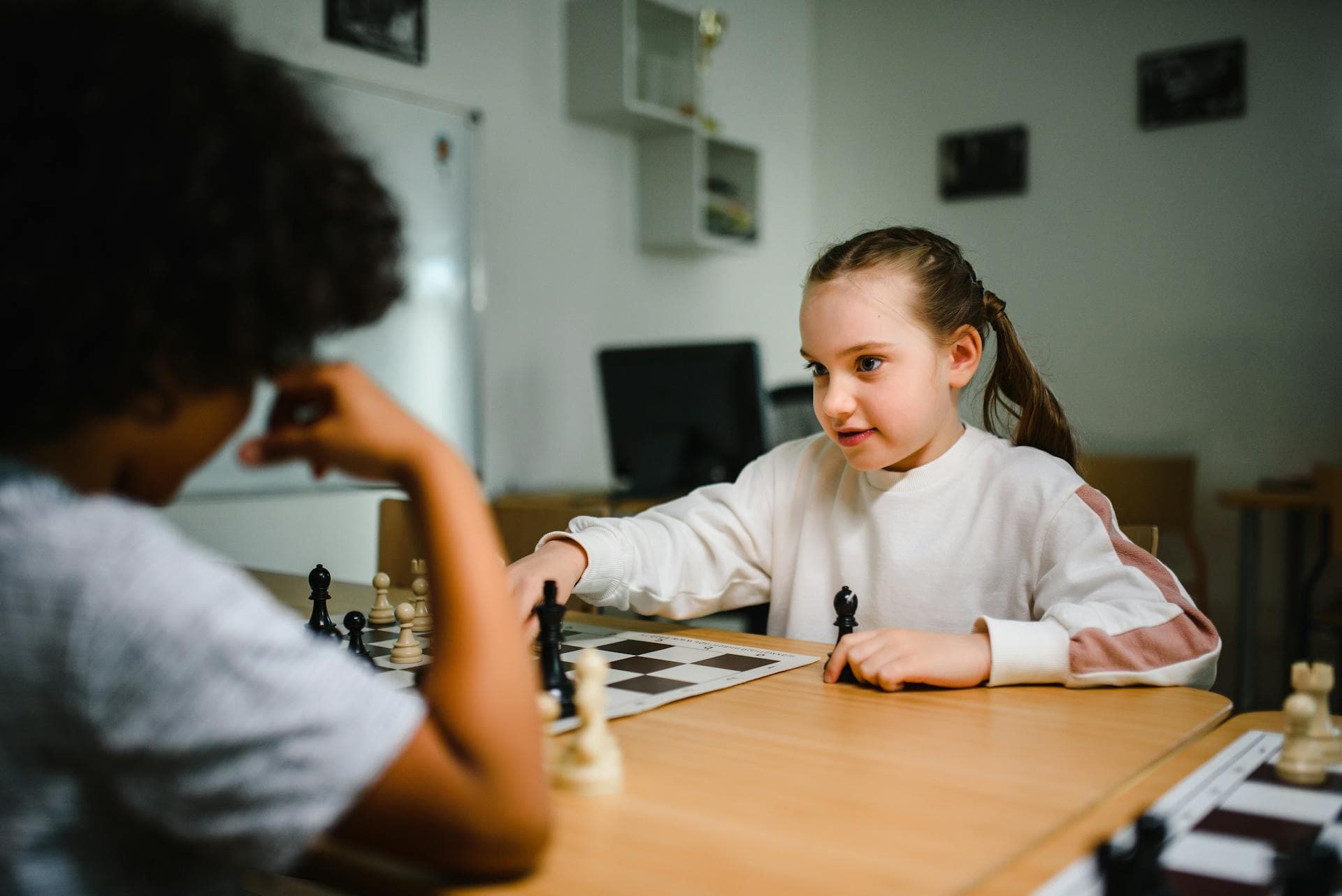
We're just getting started
Our Vision for Growth:
As Once Upon a Chessboard expands, we’re committed to:
- Reaching More Communities – We want to partner with more schools and community centers across New York—and eventually beyond. Every new partnership means more children getting access to story-based chess education.
- Building Sustainability – Long-term impact requires sustainable funding. We’re working to build a diverse funding base that allows us to keep programs free while expanding our reach.
- Measuring What Matters – We’re developing ways to track not just how many classes we hold, but how children grow through our programs—documenting the real outcomes that numbers alone can’t capture.